
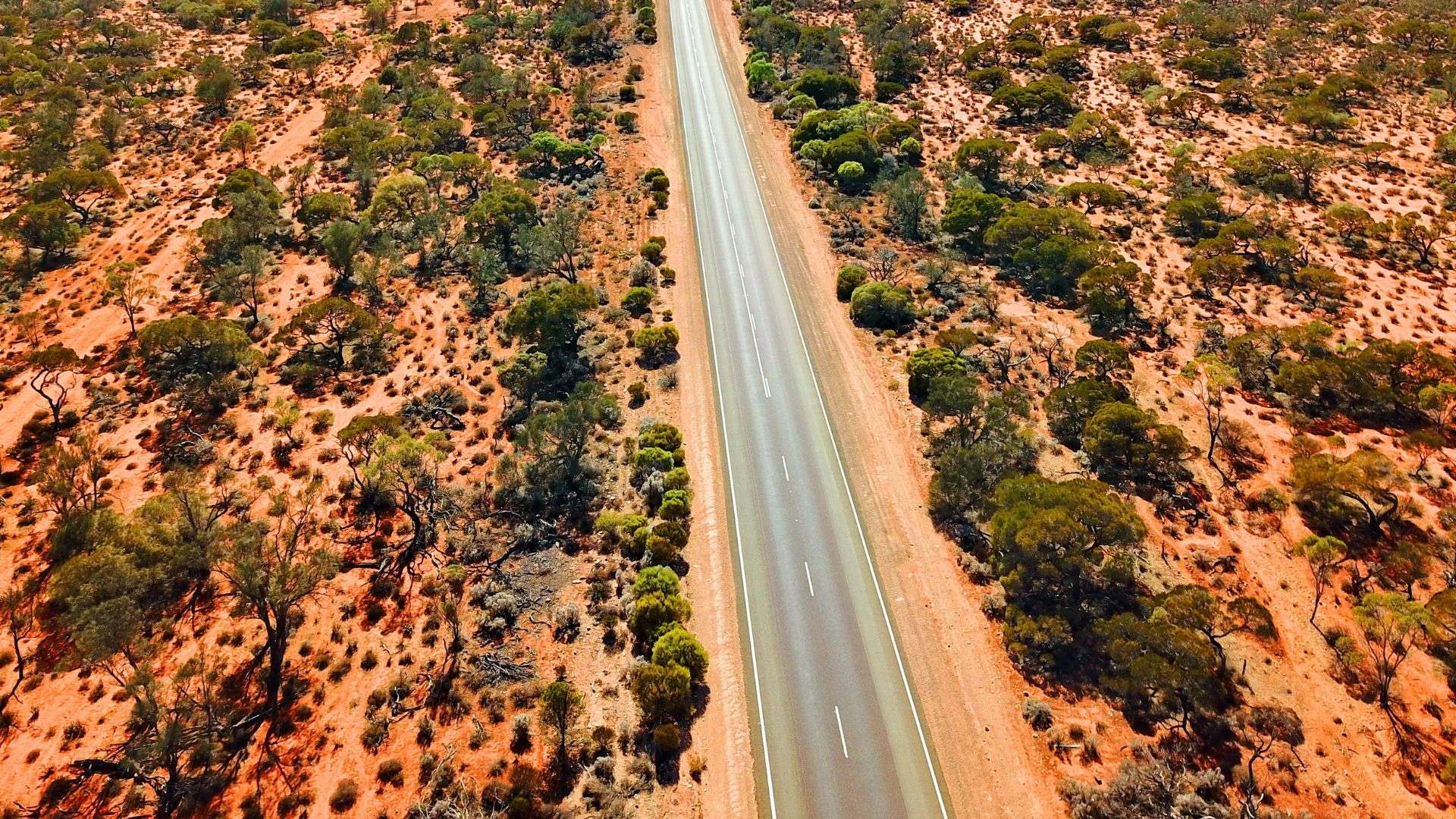
Housing is arguably one of the most pressing challenges in the regional and far-flung areas of Australia for the communities and it continue to exacerbate.
There are scores of factors which contribute to this challenge. First, in the regions like major parts of the Northern Territory and Western Australia’s northwest, the housing delivery faces myriads of peculiar constraints in the shape of cyclone wind regions, extreme heat, wet season shutdowns, long-haul transport routes and limited local trades. On the other hand, the established metropolitan construction markets are either unfamiliar to these risks or better equipped to mitigate them. Secondly, overcrowding remains a severe issue in many of these communities. Government plans to minimize the affordable housing gaps in remote Aboriginal communities extend beyond funding constraints to practical realities of construction logistics. Consequently, traditional site-based development approaches have failed to deliver on such locations. Thirdly, mobilizing resources, trades across long routes add up in cost and time overrun. Similarly, narrow favorable weather slots and the freight-dependent delivery of long-lead materials can significantly disrupt construction timelines.
In the light of these constraints, it goes without saying that modular and prefabricated construction is attaining traction in northern Australia. Modular construction considerably reduces exposure to site risks by shifting a substantial scope of build process into controlled factory premises. It provides efficiency of time as fabrication and preparation of site work can be done in parallel. Shorter installation time, the impact of inclement season or weather stave-off considerably. However, modular housing construction is not merely transporting boxes to north or far-flung regions of Australia. It warrants that delivery plan must encompass:
- Cyclone ratings and debris impact standards
- Bushfire classifications
- Integrating cultural design requirements
- Community consultation /engagement processes
- Local employment targets
- Adequate Infrastructure capacity for water, sewer and power
Furthermore, modules manufactured in southern factories must withstand long-distance transport particularly, across sea and sometimes thousands of kilometers of bumpy roads, before final installation. It is pertinent to mention, although modular construction frequently promoted in terms of speed, but in remote Australia, resilience and regulatory compliance are equally essential considerations.
Therefore, the real opportunity is to develop such workable delivery systems that can incorporate engineering standards, manufacturing quality control parameters, transport planning and local installation into a seamless, integrated process rather than set of disconnected activities. Remote regions of Australia, in actual, offers a testing ground for the broader housing system to materialize government initiatives and stakeholders’ plans.
The success of this model in the regions like Kimberley, the Top End, Cape York or the APY Lands, under the most challenging environmental and logistical conditions, would demonstrate that these models can be replicated anywhere in Australia. In a nutshell, the north is not just challenge, it may be the benchmark to define how Australia builds efficiently in complex locations in the future.
This is exactly the type of challenge we’re focused on solving at Factory2Key — bringing coordination to what is currently a very fragmented delivery system.